

Information Details
Redefining Medical Supply Chain Management with Pneumatic Tube Systems
Release time:
2024-09-09 17:00
Redefining Medical Supply Chain Management with Pneumatic Tube Systems
Table of Contents
- Introduction to Pneumatic Tube Systems in Healthcare
- What Are Pneumatic Tube Systems?
- Benefits of Pneumatic Tube Systems in Medical Supply Chains
- Increased Efficiency in Deliveries
- Enhanced Patient Care
- Cost-effectiveness of Pneumatic Tube Systems
- How Pneumatic Tube Systems Work
- Implementation Strategies for Pneumatic Tube Systems
- Challenges and Solutions in Using Pneumatic Tube Systems
- Future Trends in Medical Supply Chain Management
- Conclusion
- FAQs about Pneumatic Tube Systems in Healthcare
Introduction to Pneumatic Tube Systems in Healthcare
In the dynamic world of healthcare, efficient supply chain management is paramount. Hospitals and medical facilities face unique challenges in managing the flow of supplies, specimens, and medications. As healthcare demands evolve, so too must the systems that support them. **Pneumatic tube systems** are emerging as a game-changing solution for enhancing medical supply chain efficiency. By harnessing tube-based transport technology, healthcare institutions can streamline their operations, ensuring rapid delivery of critical items while minimizing human error.
What Are Pneumatic Tube Systems?
**Pneumatic tube systems** are automated transportation systems that use **pressurized air** to move sealed containers through a network of tubes. Typically found in hospitals, laboratories, and other fast-paced environments, these systems facilitate the quick and secure transfer of various items, from lab specimens to medications. By eliminating the need for manual transport, pneumatic tube systems significantly reduce the time needed for delivery, helping hospitals respond swiftly to patient needs.
Benefits of Pneumatic Tube Systems in Medical Supply Chains
The integration of pneumatic tube systems offers numerous advantages for healthcare facilities, driving improvements across various operational aspects.
Increased Efficiency in Deliveries
One of the most significant benefits of pneumatic tube systems is their ability to increase delivery efficiency. By automating the transport of supplies, the time spent manually delivering items is drastically reduced. This allows healthcare staff to focus on more critical tasks, such as patient care, which ultimately improves service quality within the facility.
Enhanced Patient Care
With faster delivery of medications, test results, and other essential items, **pneumatic tube systems** play a vital role in enhancing patient care. Quick access to medical supplies can significantly impact treatment times and improve patient outcomes. For example, timely access to lab results can lead to quicker diagnoses, enabling healthcare providers to initiate treatment sooner.
Cost-effectiveness of Pneumatic Tube Systems
While the initial investment in pneumatic tube systems may be substantial, the long-term cost benefits often outweigh these expenses. By reducing the need for manual transport, healthcare facilities can lower labor costs and minimize the risk of costly errors. Furthermore, improved efficiency can lead to better resource utilization, ultimately contributing to a healthier bottom line.
How Pneumatic Tube Systems Work
**Pneumatic tube systems** consist of several key components:
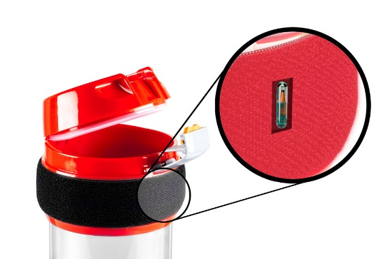
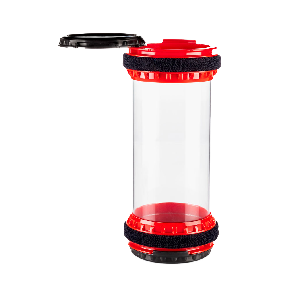
1. **Tubes**: These are the pathways through which the containers travel. Tubes can be made of various materials, with dimensions tailored to accommodate the specific containers used in the system.
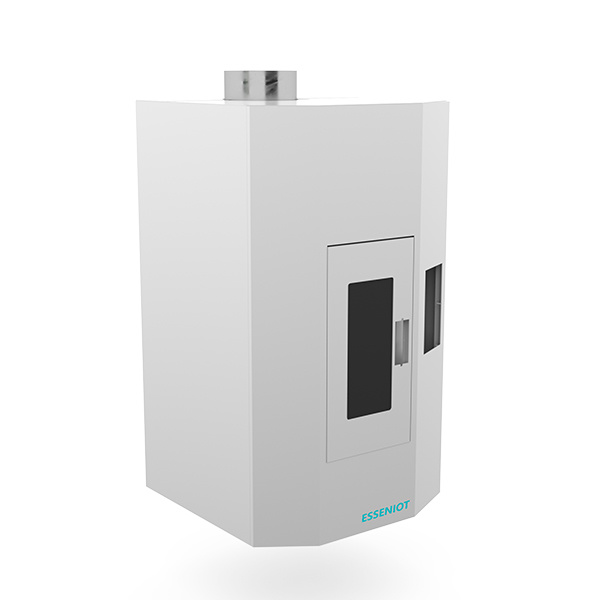
2. **Terminal Stations**: At various points within the system, terminal stations serve as entry and exit points for containers. These stations are equipped with interfaces for users to send or receive items.
3. **Control System**: An integrated control system manages the routing and delivery of containers. This system ensures that containers are sent to the correct locations based on pre-defined protocols.
4. **Air Pressure Mechanism**: Utilizing a network of fans and valves, the air pressure mechanism drives the movement of containers through the tubes. By creating a pressure differential, containers can be sent swiftly to their destinations.
The operational efficiency of **pneumatic tube systems** relies on their ability to minimize drag and maintain consistent airflow. Regular maintenance of the system is essential to ensure reliability and prevent disruptions.
Implementation Strategies for Pneumatic Tube Systems
Implementing a pneumatic tube system requires thorough planning and strategic execution. Healthcare facilities must consider several factors to ensure successful integration:
1. **Needs Assessment**: Perform a comprehensive evaluation of the facility's existing supply chain processes to identify areas for improvement. Determine the types of items that will be transported via the pneumatic tube system and the required volume of transactions.
2. **System Design**: Engage with experienced providers to design a system tailored to the facility's specific needs. The design should account for the layout of the building, the volume of items to be transported, and the desired speed of delivery.
3. **Staff Training**: Proper training is essential for staff to effectively use the pneumatic tube system. Conduct training sessions to familiarize team members with operating procedures, troubleshooting common issues, and adhering to safety protocols.
4. **Monitoring and Maintenance**: Once the system is operational, implement a monitoring program to track performance metrics. Regular maintenance schedules should be established to ensure reliability and longevity of the equipment.
Challenges and Solutions in Using Pneumatic Tube Systems
Despite their numerous benefits, pneumatic tube systems can present certain challenges. Identifying and addressing these issues proactively is key to maximizing the system's effectiveness.
**Challenge 1: System Disruptions**
- **Solution**: Regular preventive maintenance and monitoring can significantly reduce the risk of disruptions. Creating a contingency plan for system failures also helps ensure that operational flow is maintained.
**Challenge 2: Limited Capacity**
- **Solution**: Facilities may need to assess their volume and frequency of transactions to determine if additional runs or parallel systems are necessary. Expanding the network of tubes can also be a viable option.
**Challenge 3: Security Concerns**
- **Solution**: Security features, such as access codes or identification systems, can be integrated to protect sensitive items transported via pneumatic tubes.
Future Trends in Medical Supply Chain Management
As technology continues to advance, the future of medical supply chain management will likely see exciting developments, including:
1. **Integration with IoT**: The Internet of Things (IoT) can enhance pneumatic tube systems through real-time monitoring and data analytics. By incorporating IoT devices, healthcare facilities can gain insights into operational efficiency and equipment performance.
2. **Automation Enhancements**: As automation technology evolves, pneumatic tube systems may become even more efficient with AI-driven routing and predictive analytics, optimizing delivery times based on demand patterns.
3. **Sustainability Practices**: The healthcare industry is shifting towards sustainable practices. Future pneumatic tube systems may incorporate eco-friendly materials and energy-efficient components to align with these initiatives.
4. **Expansion of Applications**: Beyond hospitals, pneumatic tube systems could find applications in various sectors, including pharmacies and outpatient clinics, broadening their impact on the healthcare ecosystem.
Conclusion
Pneumatic tube systems represent a **revolutionary advancement** in medical supply chain management. By automating the transport of vital items, these systems enhance efficiency, improve patient care, and offer cost-effective solutions for healthcare facilities. As the industry continues to embrace new technologies and methodologies, pneumatic tube systems will undoubtedly play a crucial role in defining the future of healthcare logistics.
FAQs about Pneumatic Tube Systems in Healthcare
1. What types of items can be transported through pneumatic tube systems?
Pneumatic tube systems can transport various items, including medications, lab specimens, patient records, and small medical supplies.
2. Are pneumatic tube systems safe for transporting sensitive materials?
Yes, pneumatic tube systems are designed to securely transport sensitive materials while minimizing the risk of damage or contamination.
3. How much space is required for a pneumatic tube system?
The space required varies based on the design and scale of the system. Consultation with an experienced provider is recommended to assess space requirements.
4. Can pneumatic tube systems be integrated with existing hospital infrastructure?
Yes, pneumatic tube systems can often be integrated into existing hospital infrastructure, though design considerations must be taken into account.
5. What is the typical maintenance schedule for pneumatic tube systems?
Maintenance schedules vary, but routine inspections should be conducted monthly, with more comprehensive maintenance performed annually to ensure optimal performance.
pneumatic tube system
Typical Case Study





Headquarters:
5F, No.71 Xinqing Road, Suzhou Industrial Park, Suzhou City, China
Tel:+86 400 859 1660
Cel: +86 189 3459 7906
E-mail:sales@esseniot.com
Follow us


