

Information Details
Simplifying Medical Logistics with Pneumatic Tube Systems: A Closer Look
Release time:
2024-07-30 09:40
Simplifying Medical Logistics with Pneumatic Tube Systems: A Closer Look
Table of Contents
- Introduction to Pneumatic Tube Systems in Healthcare
- What Are Pneumatic Tube Systems?
- Benefits of Implementing Pneumatic Tube Systems
- Applications of Pneumatic Tube Systems in Medical Logistics
- Key Components of Pneumatic Tube Systems
- Case Studies: Success Stories with Pneumatic Tube Systems
- The Future of Pneumatic Tube Systems in Healthcare
- Frequently Asked Questions
- Conclusion
Introduction to Pneumatic Tube Systems in Healthcare
In the fast-paced world of healthcare, efficiency is paramount. Hospitals and medical facilities are constantly striving to reduce wait times, improve patient care, and streamline operations. Pneumatic tube systems have emerged as a powerful solution to these challenges. They automate the delivery of essential items, ranging from medications to laboratory specimens, thereby enhancing workflow within medical facilities. This article delves into the intricacies of pneumatic tube systems, examining their benefits, applications, and the future they promise in medical logistics.
What Are Pneumatic Tube Systems?
Pneumatic tube systems are a network of tubes that transport various items through the use of compressed air. These systems consist of a series of tubes, terminals, and carrier devices that allow for the swift movement of materials within a medical facility. Items are placed into a carrier, which is then dispatched through the tubes by air pressure, reaching its destination in a fraction of the time it would take through traditional means.
The effectiveness of pneumatic tube systems lies in their ability to eliminate the need for manual transport, thereby reducing the risk of delays and errors while improving overall operational efficiency.
Benefits of Implementing Pneumatic Tube Systems
Implementing pneumatic tube systems in healthcare facilities offers numerous advantages:
1. Enhanced Efficiency and Speed
By automating the transport of medical supplies and specimens, pneumatic tube systems significantly reduce the time staff spend walking or driving between departments. This enhanced efficiency allows healthcare professionals to focus more on patient care rather than logistics.
2. Improved Accuracy and Reduced Errors
With a pneumatic tube system, the risk of human error is minimized. The system ensures that items are delivered to the correct location without the potential for misplacement. This is crucial in healthcare, where precise delivery of medications and test results can impact patient outcomes.
3. Increased Safety and Hygiene
Pneumatic tube systems help maintain a sterile environment. Items transported through these systems are sealed within carriers, reducing the chance of contamination. In a time when hygiene is more critical than ever, this feature is invaluable.
4. Cost-Effectiveness
Although the initial investment in pneumatic tube systems can be significant, the long-term savings are substantial. By reducing labor costs and improving efficiency, healthcare facilities can realize a solid return on investment.
5. Space Optimization
With the ability to transport items quickly and efficiently, healthcare facilities can optimize their design and layout. This space optimization allows for a more effective use of valuable real estate, which can be repurposed for patient care or other essential services.
Applications of Pneumatic Tube Systems in Medical Logistics
Pneumatic tube systems have a wide range of applications within medical logistics:
1. Delivery of Medications
One of the most critical functions of pneumatic tube systems is the delivery of medications. These systems ensure that medications are transported quickly and accurately from the pharmacy to nursing stations or patient rooms.
2. Transfer of Laboratory Specimens
In fast-paced healthcare environments, timely transfer of laboratory specimens is essential for accurate diagnostics. Pneumatic tube systems provide a rapid and reliable method for transporting these specimens to the lab, ensuring that results are processed without delay.
3. Transporting Blood Products
Blood transfusions are often time-sensitive. Pneumatic tube systems can be employed to swiftly deliver blood products from the blood bank to the operating room or patient care areas, ensuring that patients receive the necessary treatment when they need it most.
4. Handling Medical Supplies
From surgical instruments to personal protective equipment (PPE), pneumatic tube systems facilitate the efficient movement of medical supplies throughout the facility, ensuring that healthcare workers have the resources they need to provide optimal care.
Key Components of Pneumatic Tube Systems
Understanding the components of a pneumatic tube system is essential for appreciating how they function:
1. Tubing
The tubing is the backbone of the system, allowing for the transportation of carriers. Different diameters and materials are available to meet the specific needs of a healthcare facility.
2. Carriers
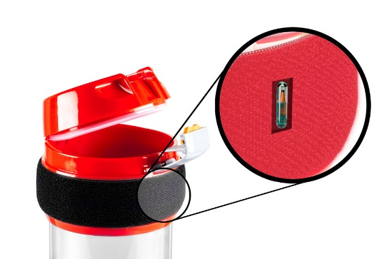
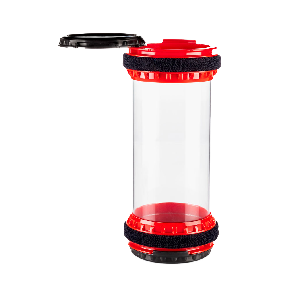
Carriers are the containers that hold items during transport. They come in various sizes and designs, tailored for specific types of materials, from small vials to larger boxes.
3. Terminals
Terminals are the entry and exit points for the carriers. They are equipped with controls that allow users to send and receive items, typically featuring user-friendly interfaces for efficient operation.
4. Air Compressors
Air compressors generate the necessary air pressure to propel the carriers through the tubing. The efficiency and reliability of the air compressors are critical to the overall performance of the system.
5. Control Systems
Modern pneumatic tube systems incorporate advanced control systems that monitor and manage the movement of carriers throughout the network. These systems can enhance efficiency by tracking items in real-time and optimizing routing.
Case Studies: Success Stories with Pneumatic Tube Systems
To illustrate the effectiveness of pneumatic tube systems, let’s explore a few case studies:
1. Case Study: City Hospital
City Hospital implemented a pneumatic tube system to address delays in medication delivery. Following installation, the average delivery time dropped from 20 minutes to under 5 minutes, allowing nursing staff to respond more quickly to patient needs.
2. Case Study: Regional Health Center
A regional health center adopted pneumatic tube systems to streamline laboratory specimen transport. With the new system in place, the time from specimen collection to analysis reduced by 50%, leading to faster diagnostics and improved patient outcomes.
3. Case Study: Metro Medical Center
Metro Medical Center integrated pneumatic tube systems to handle surgical supplies more effectively. The result was a notable reduction in the time spent retrieving instruments, translating to shorter surgery durations and improved patient turnover.
The Future of Pneumatic Tube Systems in Healthcare
As technology advances, so too will pneumatic tube systems. The future promises further innovations that will enhance their capabilities:
1. Integration with Digital Technologies
The integration of pneumatic tube systems with digital technologies, such as IoT and AI, will allow for even greater efficiency. Real-time monitoring and predictive analytics can optimize routes and anticipate needs, reducing wait times further.
2. Expansion into Telehealth
With the rise of telehealth, pneumatic tube systems may evolve to support remote diagnostics. This could streamline the collection and transport of samples from patients receiving care in their homes to the lab.
3. Enhanced Safety Features
Future systems may come equipped with advanced safety features, including automated scanning to verify contents and destination, reducing the risk of errors.
4. Sustainability Initiatives
As healthcare facilities prioritize sustainability, pneumatic tube systems may incorporate eco-friendly materials and energy-efficient designs, aligning with green initiatives.
Frequently Asked Questions
1. How do pneumatic tube systems work?
Pneumatic tube systems use compressed air to propel carriers through a network of tubes, delivering items quickly and accurately within a healthcare facility.
2. What items can be transported using pneumatic tube systems?
Pneumatic tube systems are versatile and can transport medications, laboratory specimens, blood products, and medical supplies, among other items.
3. Are pneumatic tube systems safe for transporting sensitive materials?
Yes, pneumatic tube systems are designed to maintain the integrity of sensitive materials, providing sealed carriers that minimize the risk of contamination.
4. How much do pneumatic tube systems cost?
The cost of pneumatic tube systems can vary based on the size and complexity of the installation. While the initial investment may be high, the long-term savings in labor and increased efficiency often justify the expense.
5. Can pneumatic tube systems be integrated with existing healthcare technology?
Yes, modern pneumatic tube systems can be integrated with existing healthcare technologies, including electronic health records (EHR) systems and inventory management solutions for streamlined operations.
Conclusion
Pneumatic tube systems represent a significant advancement in medical logistics, streamlining operations within healthcare facilities and drastically enhancing patient care. By automating the transport of essential items, these systems reduce wait times, minimize errors, and optimize the use of hospital resources. As technology continues to evolve, the future of pneumatic tube systems looks promising, with potential integration of digital technologies and sustainability initiatives on the horizon. Embracing pneumatic tube systems allows healthcare providers to focus on what truly matters—delivering high-quality, efficient patient care.
pneumatic tube system
Typical Case Study





Headquarters:
5F, No.71 Xinqing Road, Suzhou Industrial Park, Suzhou City, China
Tel:+86 400 859 1660
Cel: +86 189 3459 7906
E-mail:sales@esseniot.com
Follow us


