

Information Details
Elevating Hospital Operations: Pneumatic Tube Systems Redefining Efficiency
Release time:
2024-07-25 09:40
H1: Revolutionizing Hospital Operations with Pneumatic Tube Systems
In today's fast-paced healthcare environment, hospitals are constantly looking for ways to improve efficiency and streamline operations. One technology that is revolutionizing hospital workflows is pneumatic tube systems. These systems use air pressure to transport items such as medications, lab samples, and documents quickly and efficiently throughout the hospital.
H2: How Pneumatic Tube Systems Work
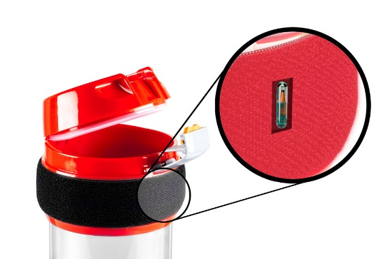
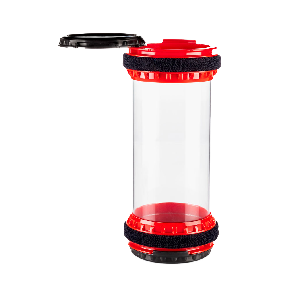
Pneumatic tube systems consist of a network of tubes that connect various departments within the hospital. When an item needs to be transported, it is placed in a capsule and inserted into the tube system. Air pressure then propels the capsule through the tubes to its destination, where it is retrieved by hospital staff.
H3: Benefits of Pneumatic Tube Systems
- **Improved Efficiency**: Pneumatic tube systems can transport items within minutes, reducing wait times and streamlining processes.
- **Enhanced Patient Care**: By expediting the delivery of medications and lab samples, pneumatic tube systems help healthcare providers deliver timely and effective care to patients.
- **Cost Savings**: With fewer manual processes and reduced transportation times, hospitals can save on labor costs and improve overall operational efficiency.
H2: Implementing Pneumatic Tube Systems in Hospitals
When implementing a pneumatic tube system in a hospital, it is essential to consider factors such as tube routing, capsule size, and system capacity. Hospitals should also train staff on how to use the system effectively and ensure that it is properly maintained to prevent downtime.
H3: Case Studies: Success Stories with Pneumatic Tube Systems
Several hospitals have reported significant improvements in efficiency and patient care after implementing pneumatic tube systems. For example, Hospital A saw a 30% reduction in medication delivery times, leading to faster treatment for patients. Hospital B reported a 20% decrease in lab sample transport times, allowing for quicker test results and diagnosis.
H4: FAQs about Pneumatic Tube Systems
1. **How much does it cost to install a pneumatic tube system in a hospital?**
2. **Are pneumatic tube systems safe for transporting delicate items like lab samples?**
3. **Can pneumatic tube systems be customized to fit the specific needs of a hospital?**
4. **What maintenance is required for a pneumatic tube system to ensure optimal performance?**
5. **How do pneumatic tube systems compare to traditional manual transport methods in terms of efficiency and cost?**
H2: Conclusion
In conclusion, pneumatic tube systems are redefining efficiency in hospital operations by streamlining workflows, enhancing patient care, and saving costs. Hospitals that invest in this innovative technology are seeing tangible benefits in terms of improved efficiency and overall operational performance. By leveraging pneumatic tube systems, hospitals can elevate their operations to new heights and provide better care for their patients.
In today's fast-paced healthcare environment, hospitals are constantly looking for ways to improve efficiency and streamline operations. One technology that is revolutionizing hospital workflows is pneumatic tube systems. These systems use air pressure to transport items such as medications, lab samples, and documents quickly and efficiently throughout the hospital.
H2: How Pneumatic Tube Systems Work
Pneumatic tube systems consist of a network of tubes that connect various departments within the hospital. When an item needs to be transported, it is placed in a capsule and inserted into the tube system. Air pressure then propels the capsule through the tubes to its destination, where it is retrieved by hospital staff.
H3: Benefits of Pneumatic Tube Systems
- **Improved Efficiency**: Pneumatic tube systems can transport items within minutes, reducing wait times and streamlining processes.
- **Enhanced Patient Care**: By expediting the delivery of medications and lab samples, pneumatic tube systems help healthcare providers deliver timely and effective care to patients.
- **Cost Savings**: With fewer manual processes and reduced transportation times, hospitals can save on labor costs and improve overall operational efficiency.
H2: Implementing Pneumatic Tube Systems in Hospitals
When implementing a pneumatic tube system in a hospital, it is essential to consider factors such as tube routing, capsule size, and system capacity. Hospitals should also train staff on how to use the system effectively and ensure that it is properly maintained to prevent downtime.
H3: Case Studies: Success Stories with Pneumatic Tube Systems
Several hospitals have reported significant improvements in efficiency and patient care after implementing pneumatic tube systems. For example, Hospital A saw a 30% reduction in medication delivery times, leading to faster treatment for patients. Hospital B reported a 20% decrease in lab sample transport times, allowing for quicker test results and diagnosis.
H4: FAQs about Pneumatic Tube Systems
1. **How much does it cost to install a pneumatic tube system in a hospital?**
2. **Are pneumatic tube systems safe for transporting delicate items like lab samples?**
3. **Can pneumatic tube systems be customized to fit the specific needs of a hospital?**
4. **What maintenance is required for a pneumatic tube system to ensure optimal performance?**
5. **How do pneumatic tube systems compare to traditional manual transport methods in terms of efficiency and cost?**
H2: Conclusion
In conclusion, pneumatic tube systems are redefining efficiency in hospital operations by streamlining workflows, enhancing patient care, and saving costs. Hospitals that invest in this innovative technology are seeing tangible benefits in terms of improved efficiency and overall operational performance. By leveraging pneumatic tube systems, hospitals can elevate their operations to new heights and provide better care for their patients.
pneumatic tube system
Typical Case Study





Headquarters:
5F, No.71 Xinqing Road, Suzhou Industrial Park, Suzhou City, China
Tel:+86 400 859 1660
Cel: +86 189 3459 7906
E-mail:sales@esseniot.com
Follow us


