

Information Details
The Evolution and Applications of Pneumatic Tube Systems
Release time:
2025-02-12 09:40
Pneumatic tube systems, often referred to as P-Tube systems, have been a cornerstone of efficient internal logistics for over a century. These systems, which utilize air pressure or vacuum to transport physical objects through a network of tubes, have evolved significantly since their inception. Today, they are widely recognized for their speed, reliability, and versatility in solving complex logistical challenges across various industries.
How Pneumatic Tube Systems Work
At the heart of a pneumatic tube system are several key components that work in harmony to ensure seamless operation:
Stations: These are the access points where carriers (special containers) are sent and received. Stations can be strategically placed throughout a facility to facilitate easy access and efficient routing.
Blowers: These devices generate the necessary pressure or vacuum to propel the carriers through the tubes. The blower is a critical component, as it determines the speed and efficiency of the transport process.
Controllers: Equipped with microprocessors and software, the controller acts as the brain of the system. It oversees the entire transport process, manages the compressor system, and ensures that all components are functioning correctly.
Tubes, Bends, and Sleeves: These components form the physical pathways through which the carriers travel. The tubes are designed to be durable and flexible, allowing them to navigate bends and corners without compromising the integrity of the system.
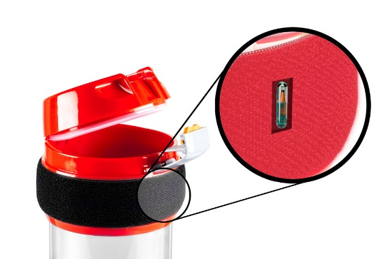
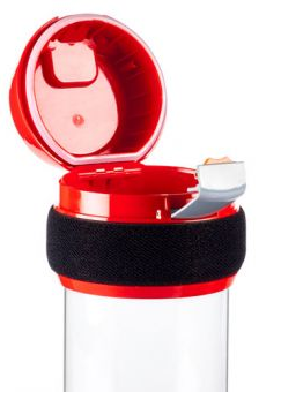
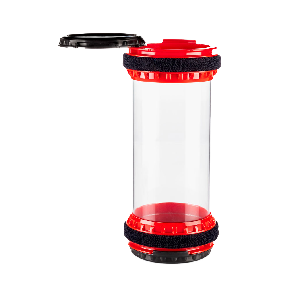
Carriers: These are the containers that hold the items being transported. Carriers are designed to protect their contents, ensuring that delicate items such as laboratory samples or documents are transported safely and securely.
Diverters and Transfer Units: In more complex systems, diverters and transfer units are used to route carriers to their correct destinations. These components allow for the prioritization of shipments and the integration of multiple lines within the network.
Pneumatic tube systems
Typical Case Study



Headquarters:
5F, No.71 Xinqing Road, Suzhou Industrial Park, Suzhou City, China
Tel:+86 400 859 1660
Cel: +86 189 3459 7906
E-mail:sales@esseniot.com
Follow us


