

Information Details
Real-World Examples of Pneumatic Tube Systems Enhancing Patient Care
Release time:
2025-02-18 09:00
Introduction to Pneumatic Tube Systems
In the fast-paced world of healthcare, efficiency can make all the difference in patient outcomes. **Pneumatic tube systems** (PTS) have emerged as a game-changing solution, enabling rapid transportation of medications, lab results, and other critical items throughout medical facilities. This article delves into real-world examples illustrating how pneumatic tube systems have improved patient care and operational efficiency in various healthcare settings.
What Are Pneumatic Tube Systems?
Pneumatic tube systems are a network of tubes that transport small containers at high speeds by utilizing air pressure. These systems facilitate the movement of essential items in hospitals and clinics, reducing the need for manual transport and streamlining workflows.
**Key Components of Pneumatic Tube Systems**:
- **Pipes and Tubes**: Network of tubes connecting various areas within a facility.
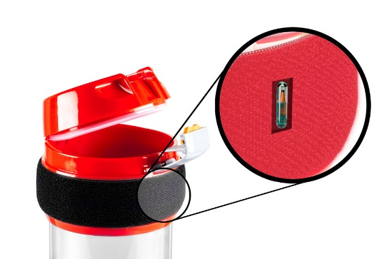
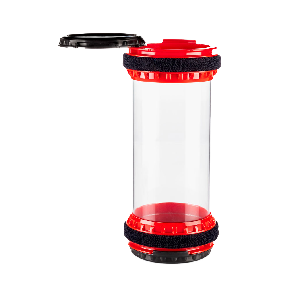
- **Carrier Units**: Small containers that hold items for transport.
- **Control System**: Software that manages the transportation routes and monitors the system.
Benefits of Pneumatic Tube Systems in Healthcare
Implementing pneumatic tube systems in healthcare settings offers numerous benefits, including:
1. Enhanced Efficiency
Pneumatic tube systems minimize the time staff spends transporting items. **Studies have shown** that hospitals using PTS can reduce transport times by up to **30%**, allowing healthcare professionals to focus more on patient care.
2. Improved Patient Safety
Fast and efficient transport of medications and lab results can lead to quicker decision-making in critical situations. This speed ultimately contributes to improved patient safety and outcomes.
3. Reduced Labor Costs
By minimizing the need for staff to manually transport items, healthcare facilities can lower labor costs and reallocate personnel to more critical tasks that require human interaction.
4. Increased Satisfaction Among Staff
Healthcare professionals benefit from reduced stress and improved job satisfaction when they can devote more time to patient care rather than logistical tasks.
Case Study 1: Hospital A's Transformation
**Hospital A**, a large metropolitan facility, faced challenges with slow transport times for medications and lab samples. After implementing a pneumatic tube system, the hospital reported a **40% reduction** in transport delays. The system not only enhanced the speed of delivery but also allowed nurses to focus on patient interaction rather than logistics.
Case Study 2: Clinic B's Efficiency Boost
**Clinic B**, a mid-sized outpatient center, struggled with patient flow and lengthy wait times. The introduction of a pneumatic tube system streamlined the process of sending test samples to the lab, cutting down the turnaround time significantly. With rapid result delivery, clinicians could make timely decisions, enhancing patient satisfaction and care quality.
Case Study 3: Emergency Care Enhancement
In **an emergency department**, every second counts. By incorporating pneumatic tube systems, the facility improved the transport of essential items, such as blood samples and medications. This change led to faster treatment times, ultimately saving lives during critical moments.
Challenges in Implementing Pneumatic Tube Systems
While pneumatic tube systems offer various benefits, implementing them is not without challenges:
1. High Initial Investment
The upfront costs for purchasing and installing pneumatic tube systems can be significant, which may deter some facilities from adopting the technology.
2. Maintenance Requirements
Regular maintenance is essential to ensure the system operates efficiently. Neglecting maintenance can lead to malfunctions and service disruptions.
3. Training Staff
Healthcare staff must be trained to use the system effectively. This training requires time and resources, which can pose challenges.
The Future of Pneumatic Tube Systems in Healthcare
As technology continues to evolve, pneumatic tube systems are expected to become more integrated with other healthcare technologies. Features such as real-time tracking and advanced analytics could enhance their effectiveness, making them even more valuable in improving patient care.
**Emerging Trends**:
- **Integration with IoT**: Incorporating Internet of Things (IoT) technology can allow for smarter transport solutions.
- **Automated Notifications**: Systems that notify staff of incoming items could further optimize workflows.
Conclusion
Pneumatic tube systems have proven to be invaluable assets in modern healthcare, demonstrating their capability to enhance patient care while improving operational efficiency. Real-world examples showcase the benefits of these systems in various settings, from large hospitals to outpatient clinics. As healthcare continues to evolve, investing in **pneumatic tube technology** may be crucial for facilities aiming to provide the highest standard of care.
FAQs
1. What is a pneumatic tube system?
A pneumatic tube system is a network of tubes that transport small containers using air pressure, facilitating the quick and efficient movement of items in healthcare settings.
2. How do pneumatic tube systems improve patient care?
These systems enhance patient care by reducing transport times, improving safety, and allowing healthcare staff to focus more on direct patient interaction.
3. What are the primary benefits of implementing a pneumatic tube system?
Key benefits include enhanced efficiency, improved patient safety, reduced labor costs, and increased staff satisfaction.
4. Are there challenges associated with pneumatic tube systems?
Yes, challenges can include high initial investment costs, maintenance requirements, and the need for staff training.
5. What is the future of pneumatic tube systems in healthcare?
The future may include greater integration with other technologies, such as IoT, enabling smarter and more efficient transport solutions.
pneumatic tube system factory
Typical Case Study




Headquarters:
5F, No.71 Xinqing Road, Suzhou Industrial Park, Suzhou City, China
Tel:+86 400 859 1660
Cel: +86 189 3459 7906
E-mail:sales@esseniot.com
Follow us


