

Information Details
Choosing the Best Drive-Up Pneumatic Tube Systems for Healthcare Efficiency
Release time:
2025-02-27 10:00
In the medical and healthcare industry, time is often critical. One way to streamline operations and improve patient care is by utilizing efficient transportation systems for medical supplies, medications, and test samples. Among these systems, drive-up pneumatic tube systems are gaining popularity due to their ability to facilitate rapid and secure transport within healthcare facilities.
Drive-up pneumatic tube systems operate on a simple yet innovative principle: they use a network of tubes and air pressure to quickly send containers from one point to another. This technology is particularly beneficial in hospitals and clinics where quick communication and supply delivery can significantly impact patient outcomes. By implementing these systems, healthcare providers can reduce the time spent on manual transport, allowing staff to focus more on patient care.
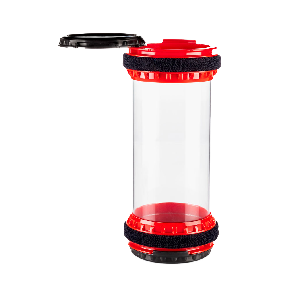
When considering the best drive-up pneumatic tube systems, it's essential to evaluate several key features. First, assess the system's capacity. A system that can handle a higher volume of transactions will be more effective in a busy healthcare environment. Look for models that provide options for different tube sizes, allowing for the transport of various items ranging from small vials to larger packages.
Another critical factor is the reliability of the system. In a healthcare setting, downtime can result in delays, potentially affecting patient care. Therefore, it’s advisable to choose a pneumatic tube system known for its durability and low maintenance needs. Systems with advanced monitoring capabilities can also help in identifying issues before they lead to failures.
Additionally, consider the system's integration with existing hospital workflows. The best drive-up pneumatic tube systems will seamlessly connect with current inventory management and patient data systems, allowing for easy tracking of items being transported. This not only enhances operational efficiency but also ensures greater accuracy in delivering the right materials to the right locations.
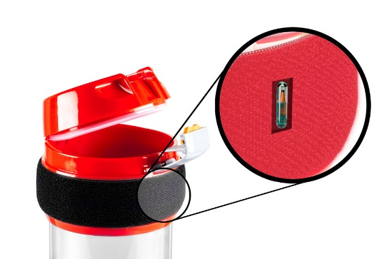
Moreover, safety features should not be overlooked. Pneumatic tubes should be designed to prevent contamination and ensure secure delivery of sensitive materials, such as medications and biological samples. Systems with locking mechanisms and tamper-proof containers can add an extra layer of security, which is paramount in the healthcare industry.
Finally, while evaluating options, it's important to consider the scalability of the system. As healthcare facilities evolve and grow, having a pneumatic tube system that can adapt to changing needs without excessive costs or extensive overhauls is a valuable asset.
In conclusion, selecting the best drive-up pneumatic tube systems involves careful consideration of capacity, reliability, integration, safety, and scalability. By investing in the right system, healthcare providers can enhance operational efficiency, improve patient care, and ensure timely delivery of essential items within their facilities.
Drive-up pneumatic tube systems operate on a simple yet innovative principle: they use a network of tubes and air pressure to quickly send containers from one point to another. This technology is particularly beneficial in hospitals and clinics where quick communication and supply delivery can significantly impact patient outcomes. By implementing these systems, healthcare providers can reduce the time spent on manual transport, allowing staff to focus more on patient care.
When considering the best drive-up pneumatic tube systems, it's essential to evaluate several key features. First, assess the system's capacity. A system that can handle a higher volume of transactions will be more effective in a busy healthcare environment. Look for models that provide options for different tube sizes, allowing for the transport of various items ranging from small vials to larger packages.
Another critical factor is the reliability of the system. In a healthcare setting, downtime can result in delays, potentially affecting patient care. Therefore, it’s advisable to choose a pneumatic tube system known for its durability and low maintenance needs. Systems with advanced monitoring capabilities can also help in identifying issues before they lead to failures.
Additionally, consider the system's integration with existing hospital workflows. The best drive-up pneumatic tube systems will seamlessly connect with current inventory management and patient data systems, allowing for easy tracking of items being transported. This not only enhances operational efficiency but also ensures greater accuracy in delivering the right materials to the right locations.
Moreover, safety features should not be overlooked. Pneumatic tubes should be designed to prevent contamination and ensure secure delivery of sensitive materials, such as medications and biological samples. Systems with locking mechanisms and tamper-proof containers can add an extra layer of security, which is paramount in the healthcare industry.
Finally, while evaluating options, it's important to consider the scalability of the system. As healthcare facilities evolve and grow, having a pneumatic tube system that can adapt to changing needs without excessive costs or extensive overhauls is a valuable asset.
In conclusion, selecting the best drive-up pneumatic tube systems involves careful consideration of capacity, reliability, integration, safety, and scalability. By investing in the right system, healthcare providers can enhance operational efficiency, improve patient care, and ensure timely delivery of essential items within their facilities.
best drive up pneumatic tube systems
Typical Case Study





Headquarters:
5F, No.71 Xinqing Road, Suzhou Industrial Park, Suzhou City, China
Tel:+86 400 859 1660
Cel: +86 189 3459 7906
E-mail:sales@esseniot.com
Follow us


