

Information Details
Enhancing Healthcare Efficiency with Pneumatic Tube Systems
Release time:
2025-01-16 09:00
Pneumatic tube systems (PTS) have become an integral component of modern medical facilities, offering a swift and reliable method for transporting various items within hospitals and clinics. These systems use a network of tubes to create a vacuum or pressure-driven environment, allowing small containers to be sent to different locations in a fraction of the time it would take to navigate through the facility on foot.
One of the primary advantages of pneumatic tube systems in the healthcare industry is their ability to enhance efficiency. With the increasing volume of patients and the necessity for rapid response times, hospitals must streamline their operations. Pneumatic tube systems reduce the need for staff members to make time-consuming trips across the facility, thus allowing them to focus more on patient care. This is particularly crucial in emergency situations where every second counts, such as when delivering critical lab results or medications.
Furthermore, the use of pneumatic tubes minimizes human error and contamination risks. Traditional methods of transporting medications or samples often involve multiple hand-offs, increasing the likelihood of mistakes. With PTS, items are securely contained and transported directly to their destination, ensuring that they arrive safely and accurately, which is paramount in medical settings.
Another essential aspect of pneumatic tube systems is their versatility. They can accommodate a wide range of materials, from blood samples and pharmaceuticals to surgical instruments. This adaptability makes them suitable for various departments, including pharmacies, laboratories, and radiology, contributing to a more organized and efficient workflow throughout the healthcare facility.
Moreover, pneumatic tube systems support the ongoing trend towards automation in healthcare. As facilities seek to integrate more technology into their operations, PTS represent a vital step towards a more automated environment. They can be integrated with hospital information systems, allowing for real-time tracking and monitoring of significant shipments, which enhances patient safety and operational transparency.
In conclusion, pneumatic tube systems present a valuable solution for healthcare providers striving to improve their efficiency and patient care. By streamlining the transportation of essential items, reducing human error, and integrating with existing technology, PTS are poised to play a crucial role in the future of healthcare logistics. As the demand for rapid and accurate service continues to grow, the implementation of pneumatic tube systems will be vital in meeting these challenges head-on.
One of the primary advantages of pneumatic tube systems in the healthcare industry is their ability to enhance efficiency. With the increasing volume of patients and the necessity for rapid response times, hospitals must streamline their operations. Pneumatic tube systems reduce the need for staff members to make time-consuming trips across the facility, thus allowing them to focus more on patient care. This is particularly crucial in emergency situations where every second counts, such as when delivering critical lab results or medications.
Furthermore, the use of pneumatic tubes minimizes human error and contamination risks. Traditional methods of transporting medications or samples often involve multiple hand-offs, increasing the likelihood of mistakes. With PTS, items are securely contained and transported directly to their destination, ensuring that they arrive safely and accurately, which is paramount in medical settings.
Another essential aspect of pneumatic tube systems is their versatility. They can accommodate a wide range of materials, from blood samples and pharmaceuticals to surgical instruments. This adaptability makes them suitable for various departments, including pharmacies, laboratories, and radiology, contributing to a more organized and efficient workflow throughout the healthcare facility.
Moreover, pneumatic tube systems support the ongoing trend towards automation in healthcare. As facilities seek to integrate more technology into their operations, PTS represent a vital step towards a more automated environment. They can be integrated with hospital information systems, allowing for real-time tracking and monitoring of significant shipments, which enhances patient safety and operational transparency.
In conclusion, pneumatic tube systems present a valuable solution for healthcare providers striving to improve their efficiency and patient care. By streamlining the transportation of essential items, reducing human error, and integrating with existing technology, PTS are poised to play a crucial role in the future of healthcare logistics. As the demand for rapid and accurate service continues to grow, the implementation of pneumatic tube systems will be vital in meeting these challenges head-on.
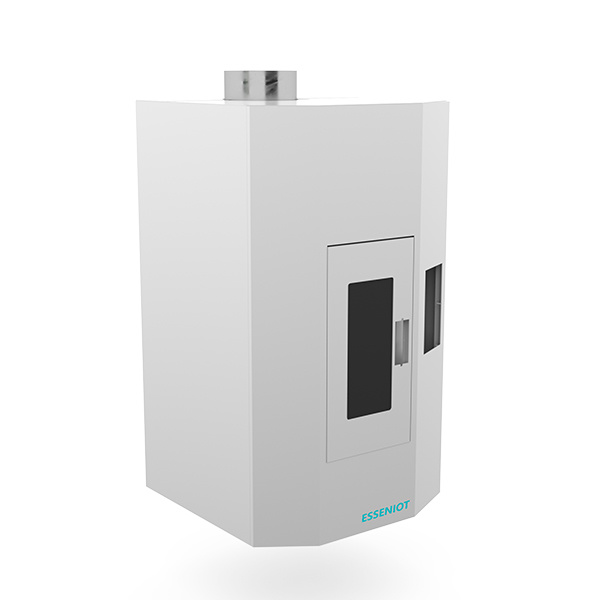
pneumatic tube system
Typical Case Study







Headquarters:
5F, No.71 Xinqing Road, Suzhou Industrial Park, Suzhou City, China
Tel:+86 400 859 1660
Cel: +86 189 3459 7906
E-mail:sales@esseniot.com
Follow us


